
How to Manage a Loved One’s Digital Legacy After They Pass
November 6, 2025

Why Digital Legacy Matters Today
In the digital age, managing a loved one’s online presence has become as important as traditional estate tasks. From social media profiles and email accounts to cloud storage and cryptocurrency, these assets hold sentimental and sometimes financial value. Without planning, families risk losing irreplaceable memories or valuable resources.
Steps for Managing Digital Assets
A digital legacy includes accounts, subscriptions, and intellectual property. Begin by securing devices, reviewing email for account clues, and creating an inventory of platforms and login details. Legal frameworks like
RUFADAA
grant fiduciaries authority to access accounts, but advance planning-such as designating legacy contacts on Facebook, Google, and Apple-simplifies the process. Immediate priorities include closing financial accounts, canceling subscriptions, and protecting against identity theft by notifying credit bureaus and monitoring for fraud.
Planning Ahead for Peace of Mind
Families should encourage digital estate planning: listing accounts, storing access information securely, and including digital provisions in wills or trusts. Professional help may be needed for complex cases involving cryptocurrency or intellectual property. Ultimately, managing a digital legacy preserves memories, protects assets, and honors a loved one’s life with dignity in an increasingly connected world.Read the full 14-page article. FREE Download for your convenience.
Click the button below.
Read the full article. FREE Download for your convenience.
Click the button below.
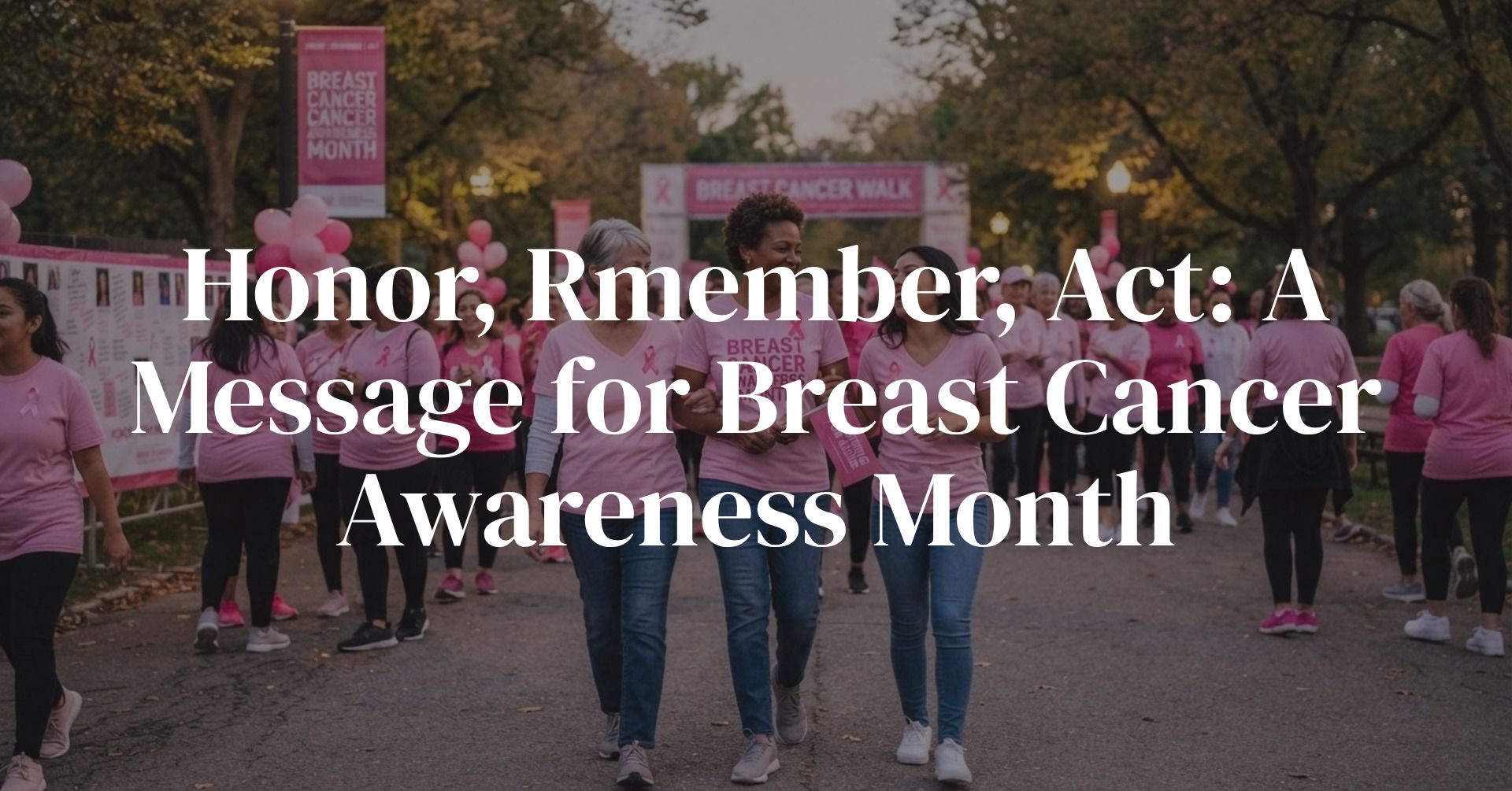
October is Breast Cancer Awareness Month, a time to honor survivors, remember loved ones, and encourage early detection. While breast cancer is most commonly associated with women, men can also be affected, often with later diagnoses due to lack of awareness. Regular screenings, knowing your family history, and paying attention to changes in breast tissue are essential steps for everyone. Early detection remains the strongest tool we have for saving lives through timely treatment and increased options. This month, we encourage both men and women to speak with their healthcare providers, schedule screenings, and share information with those they love. Awareness is powerful, but action is what protects our families and our community.

Preplanning a funeral is one of the most meaningful gifts you can give your family. It allows you to make thoughtful choices in advance, ensuring your wishes are clearly understood and honored. This brings comfort to loved ones during a time when decision making can feel overwhelming. Preplanning also provides financial clarity. By planning ahead of time, families are protected from unexpected costs and can avoid the stress of last-minute decisions. It creates a sense of stability and reassurance for everyone involved. Most importantly, preplanning offers peace of mind. It allows families to focus on remembrance and healing, knowing every detail has been thoughtfully prepared with care.

Choosing cremation does not lessen the need to honor a life with meaningful remembrance. A funeral gives family and friends a moment to gather, reflect, and acknowledge the significance of a loved one’s life. It creates space for shared stories, comfort, and connection, which are essential parts of healing. A ceremony also provides a sense of closure. It marks the transition from loss to remembrance and helps families begin to move forward with support from their community. Cremation simply changes the final disposition, not the value of coming together. Funerals remind us that every life deserves to be recognized, celebrated, and remembered with intention.