
Comprehensive Checklist for Pre- & Post-Death Planning
November 3, 2025

Preparing for Life’s Final Chapter
End-of-life planning can feel overwhelming, but a clear roadmap helps families navigate legal, financial, and emotional responsibilities with confidence. A structured checklist ensures that wishes are honored and loved ones are spared unnecessary stress during an already difficult time.
Essential Steps Before and After Death
Advance planning includes creating a will, updating beneficiary designations, and documenting healthcare directives. Families should gather critical documents-birth certificates, insurance policies, property deeds-and discuss funeral preferences early. Immediately after death, priorities include contacting a funeral home, securing the home, notifying family, and arranging care for dependents. In the following days, focus shifts to service planning, legal notifications, and financial matters.
Long-Term Responsibilities and Self-Care
Estate settlement, tax filings, and property transfers often take months. Executors should maintain detailed records and seek professional guidance to avoid costly mistakes. Just as important is caring for yourself-accepting help, maintaining routines, and considering grief counseling. Thoughtful preparation not only honors the deceased but also provides peace of mind for those left behind.Read the full 26-page article. FREE Download for your convenience.
Click the button below.
Read the full article. FREE Download for your convenience.
Click the button below.
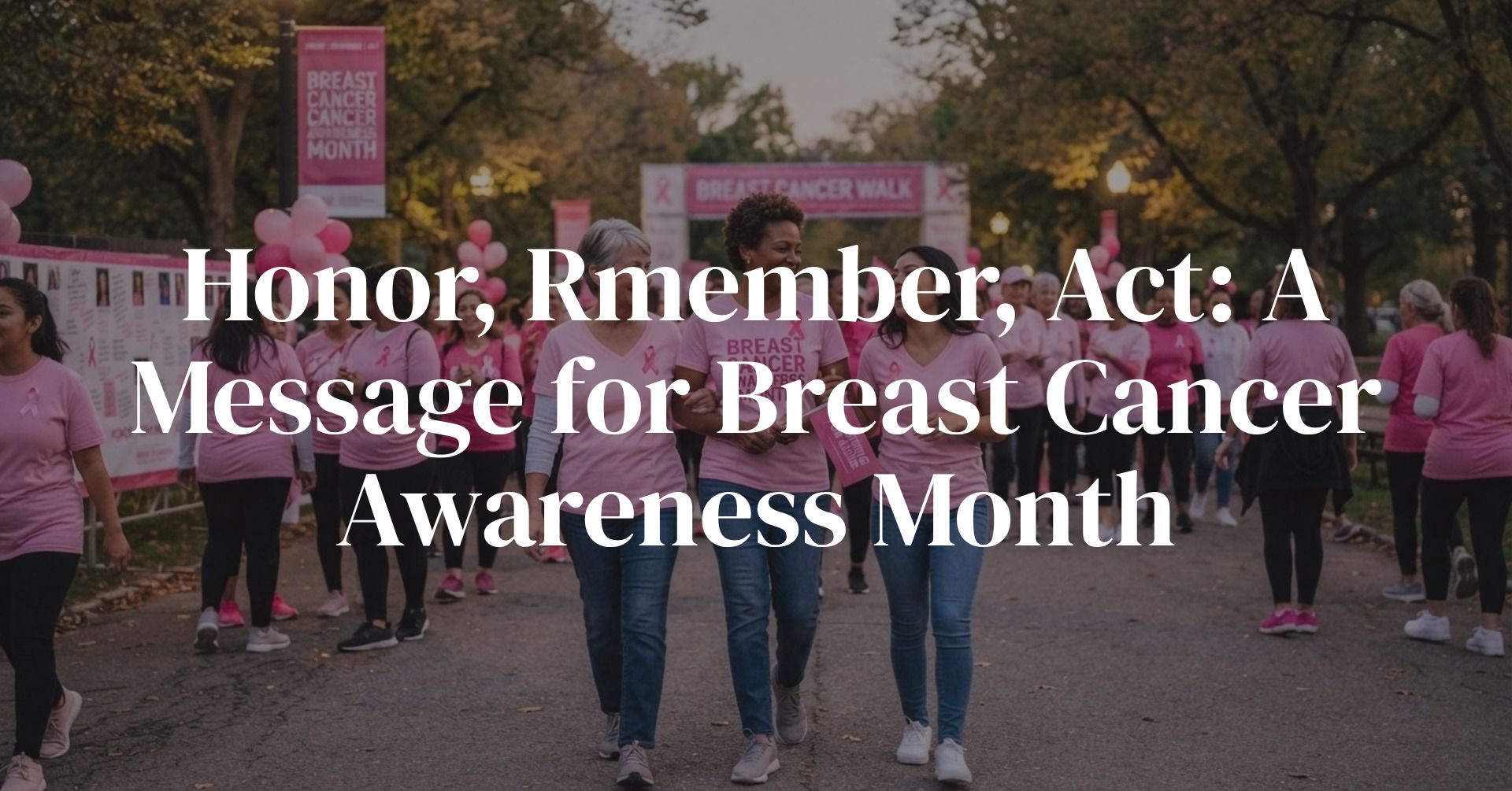
October is Breast Cancer Awareness Month, a time to honor survivors, remember loved ones, and encourage early detection. While breast cancer is most commonly associated with women, men can also be affected, often with later diagnoses due to lack of awareness. Regular screenings, knowing your family history, and paying attention to changes in breast tissue are essential steps for everyone. Early detection remains the strongest tool we have for saving lives through timely treatment and increased options. This month, we encourage both men and women to speak with their healthcare providers, schedule screenings, and share information with those they love. Awareness is powerful, but action is what protects our families and our community.

Preplanning a funeral is one of the most meaningful gifts you can give your family. It allows you to make thoughtful choices in advance, ensuring your wishes are clearly understood and honored. This brings comfort to loved ones during a time when decision making can feel overwhelming. Preplanning also provides financial clarity. By planning ahead of time, families are protected from unexpected costs and can avoid the stress of last-minute decisions. It creates a sense of stability and reassurance for everyone involved. Most importantly, preplanning offers peace of mind. It allows families to focus on remembrance and healing, knowing every detail has been thoughtfully prepared with care.
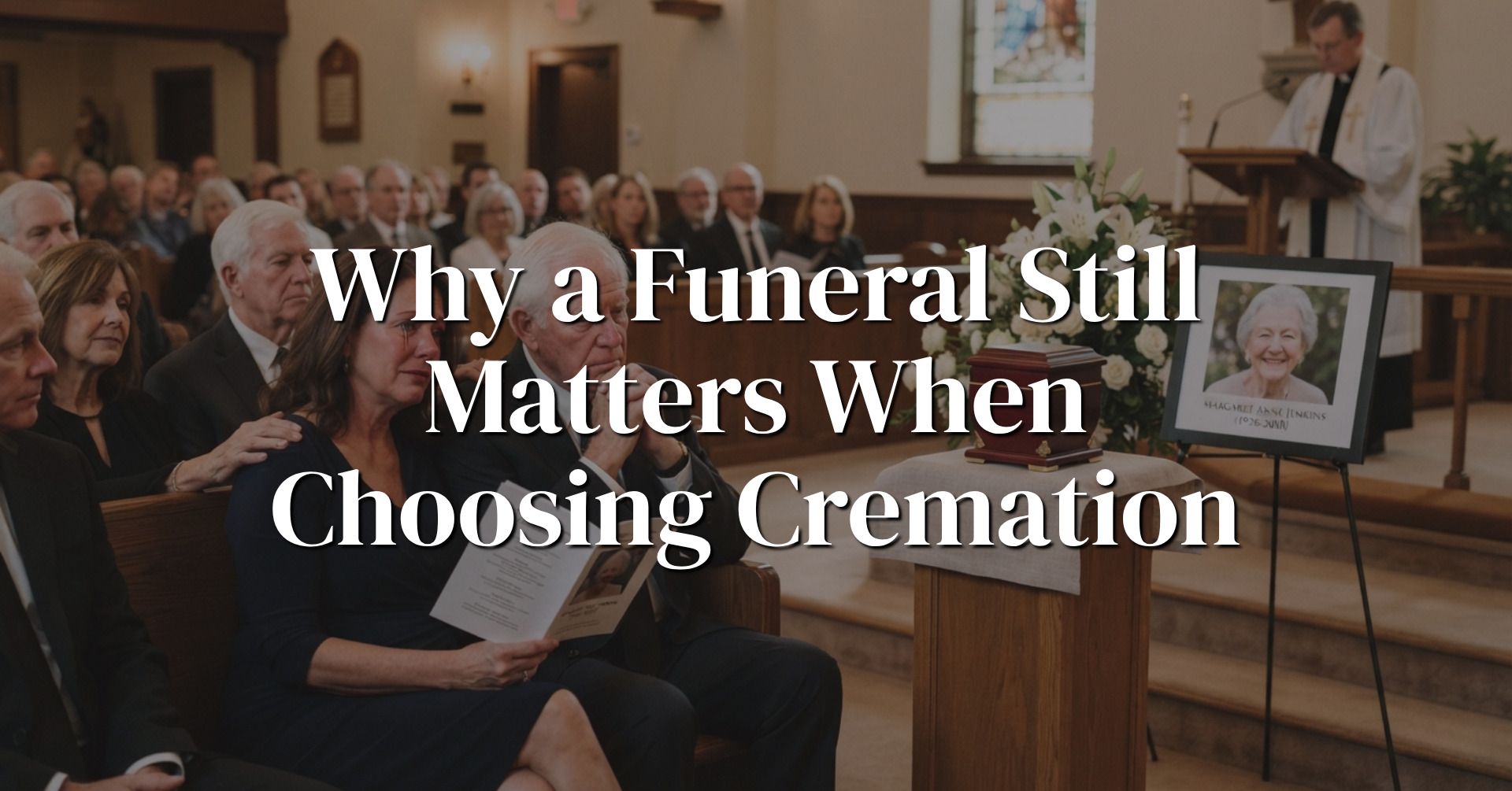
Choosing cremation does not lessen the need to honor a life with meaningful remembrance. A funeral gives family and friends a moment to gather, reflect, and acknowledge the significance of a loved one’s life. It creates space for shared stories, comfort, and connection, which are essential parts of healing. A ceremony also provides a sense of closure. It marks the transition from loss to remembrance and helps families begin to move forward with support from their community. Cremation simply changes the final disposition, not the value of coming together. Funerals remind us that every life deserves to be recognized, celebrated, and remembered with intention.