
Burial or Cremation? A Complete Decision Guide
November 3, 2025
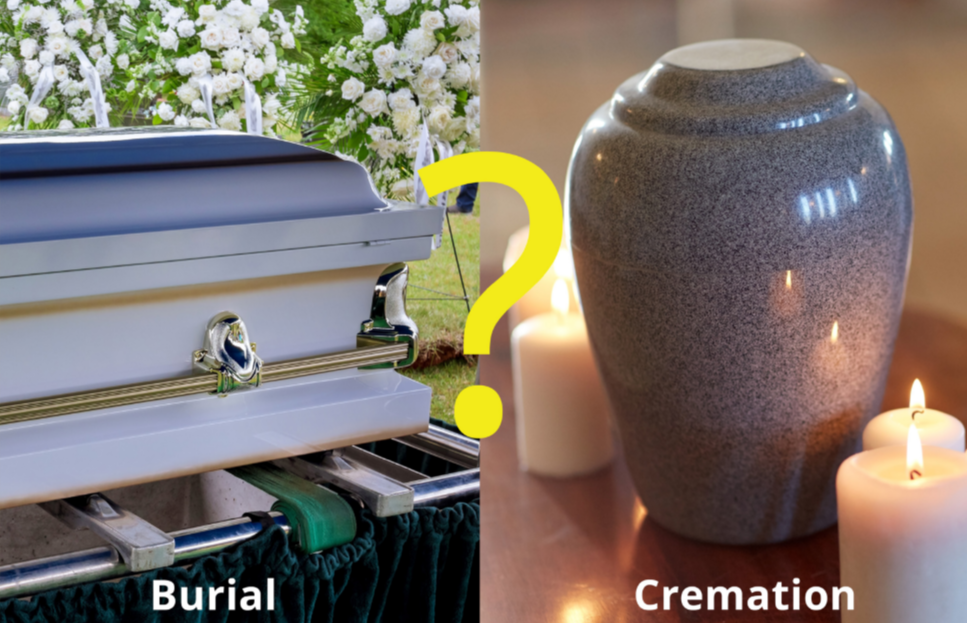
Making Sense of Burial and Cremation Choices
Deciding between burial and cremation is deeply personal, shaped by beliefs, finances, and family traditions. Burial offers a permanent resting place and aligns with many religious customs, while cremation provides flexibility, portability, and often lower costs. Both options can honor a loved one with dignity.
Comparing Costs, Traditions, and Environmental Impact
Burial typically involves caskets, vaults, cemetery plots, and embalming, making it the more expensive choice. It offers familiarity and a physical memorial but requires ongoing upkeep. Cremation is generally more affordable and allows creative memorialization-from scattering ashes to keepsake urns-though some faiths discourage it. Families should also weigh environmental concerns, as green burial and water cremation are emerging alternatives.
Planning Ahead for Peace of Mind
Religious and cultural practices strongly influence these decisions, so consulting spiritual leaders and funeral professionals is essential. Pre-planning can ease emotional and financial stress, ensuring wishes are honored. Ultimately, the best choice is the one that reflects your loved one’s values and provides comfort for those left behind.Read the full 14-page article. FREE Download for your convenience.
Click the button below.
Read the full article. FREE Download for your convenience.
Click the button below.

October is Breast Cancer Awareness Month, a time to honor survivors, remember loved ones, and encourage early detection. While breast cancer is most commonly associated with women, men can also be affected, often with later diagnoses due to lack of awareness. Regular screenings, knowing your family history, and paying attention to changes in breast tissue are essential steps for everyone. Early detection remains the strongest tool we have for saving lives through timely treatment and increased options. This month, we encourage both men and women to speak with their healthcare providers, schedule screenings, and share information with those they love. Awareness is powerful, but action is what protects our families and our community.

Preplanning a funeral is one of the most meaningful gifts you can give your family. It allows you to make thoughtful choices in advance, ensuring your wishes are clearly understood and honored. This brings comfort to loved ones during a time when decision making can feel overwhelming. Preplanning also provides financial clarity. By planning ahead of time, families are protected from unexpected costs and can avoid the stress of last-minute decisions. It creates a sense of stability and reassurance for everyone involved. Most importantly, preplanning offers peace of mind. It allows families to focus on remembrance and healing, knowing every detail has been thoughtfully prepared with care.
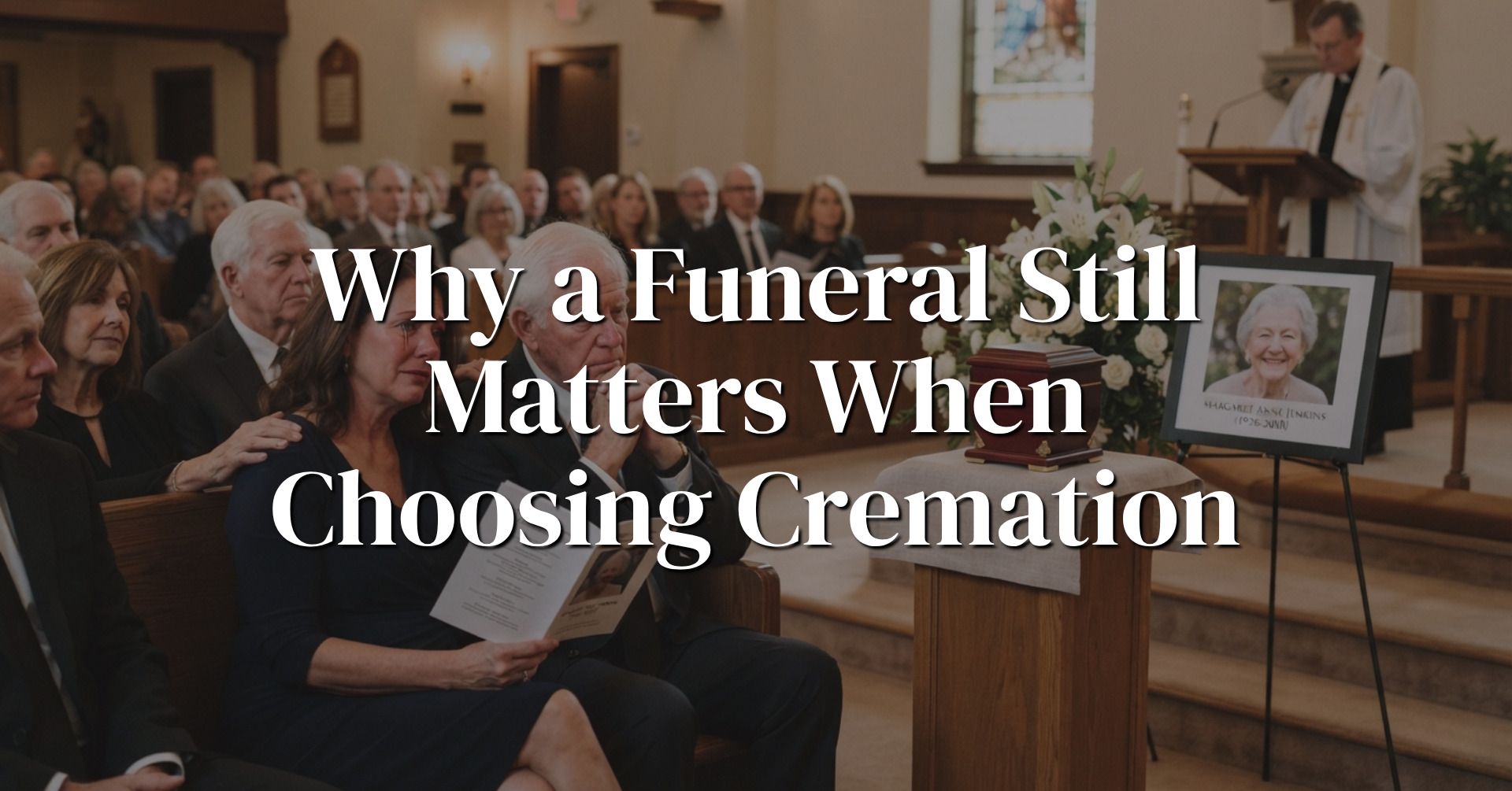
Choosing cremation does not lessen the need to honor a life with meaningful remembrance. A funeral gives family and friends a moment to gather, reflect, and acknowledge the significance of a loved one’s life. It creates space for shared stories, comfort, and connection, which are essential parts of healing. A ceremony also provides a sense of closure. It marks the transition from loss to remembrance and helps families begin to move forward with support from their community. Cremation simply changes the final disposition, not the value of coming together. Funerals remind us that every life deserves to be recognized, celebrated, and remembered with intention.